Brazil
Hint
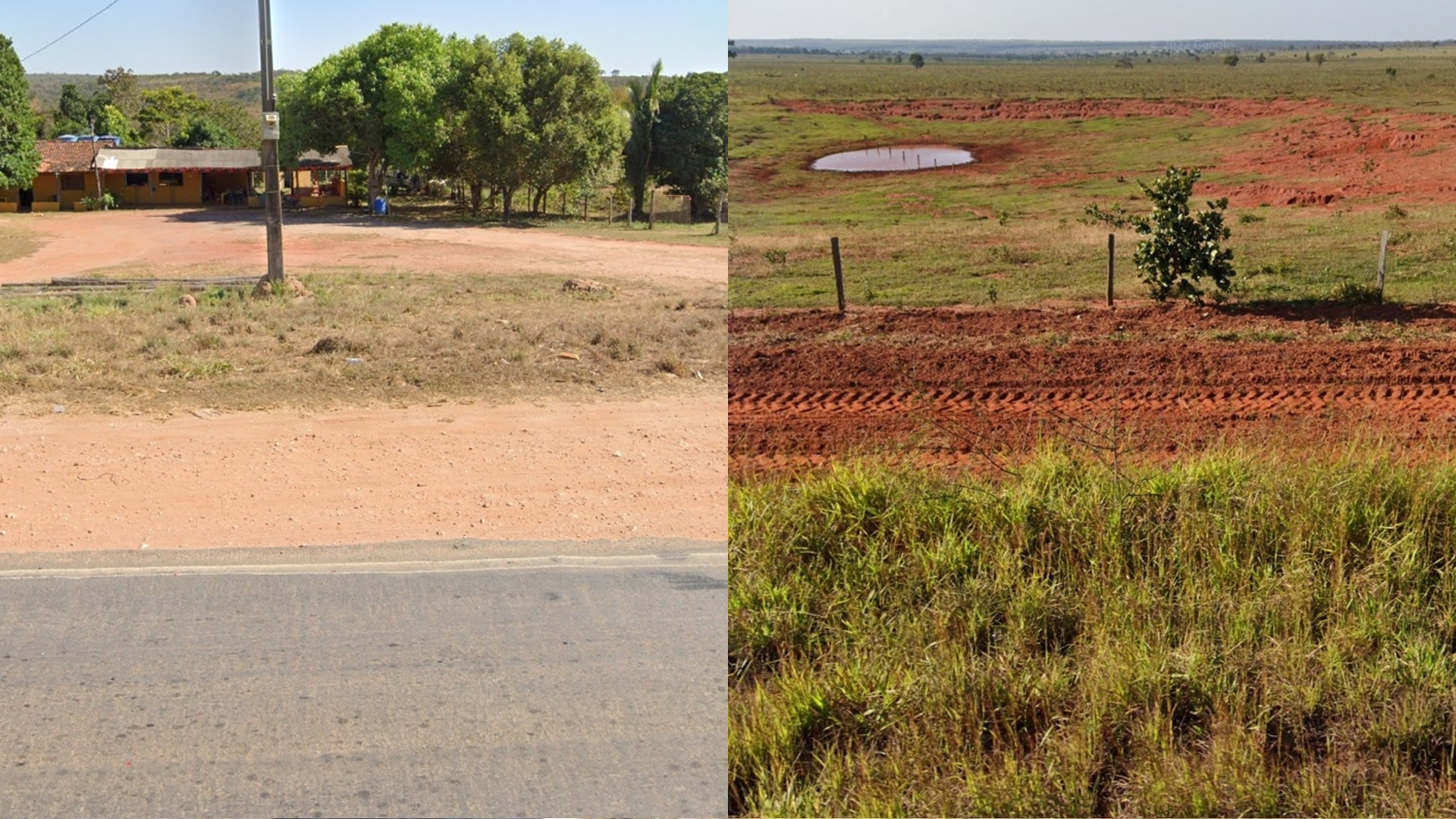
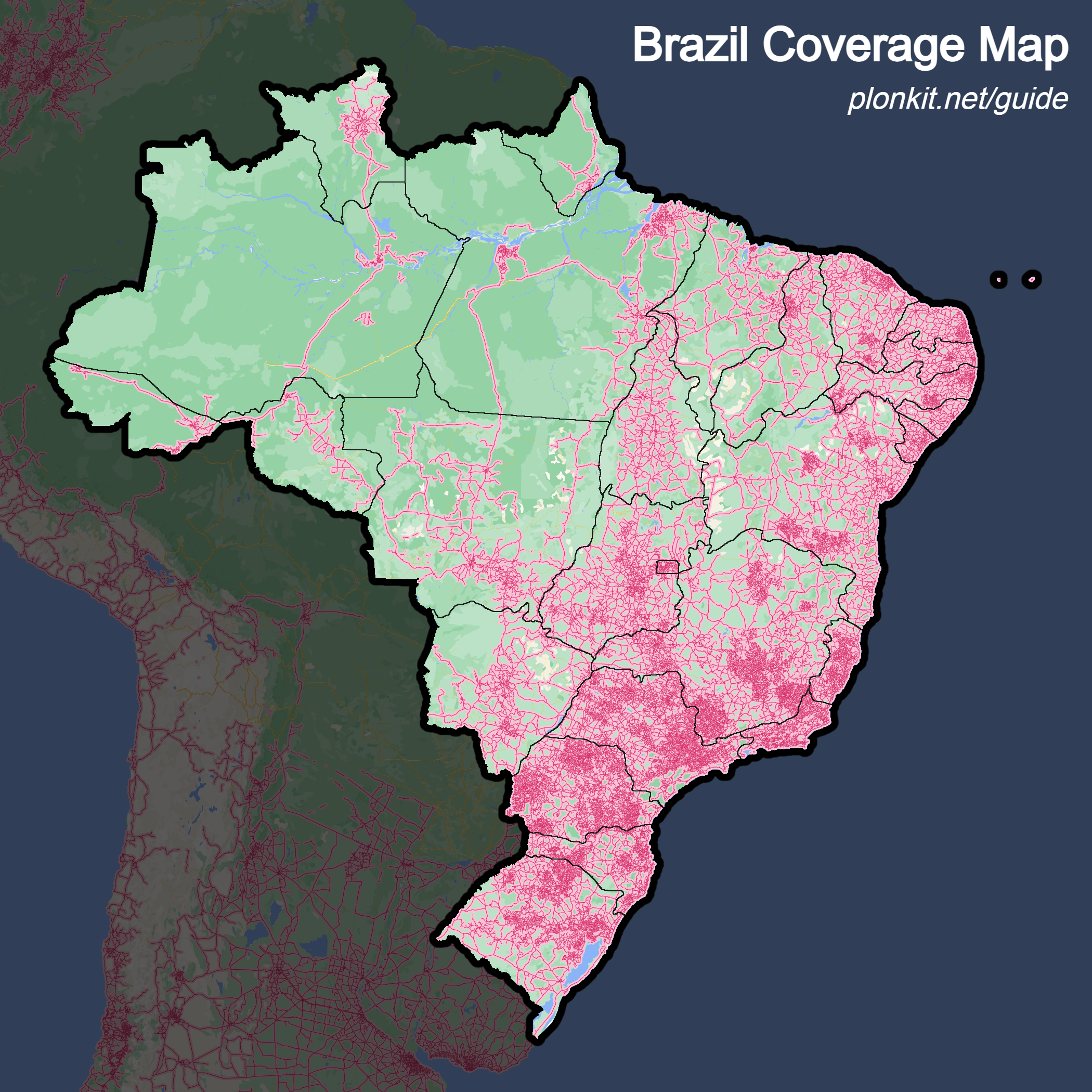
Soil in most of Brazil is distinctly red. It can range from a light pink around Mato Grosso to a deep maroon near the Paraná river. The soil is usually not red in the North East, or in the majority of Rio Grande do Sul, however.
NOTE: The nearby Argentine province of Misiones has deep red soil, as well a handful of other countries and regions around the world.
Hint
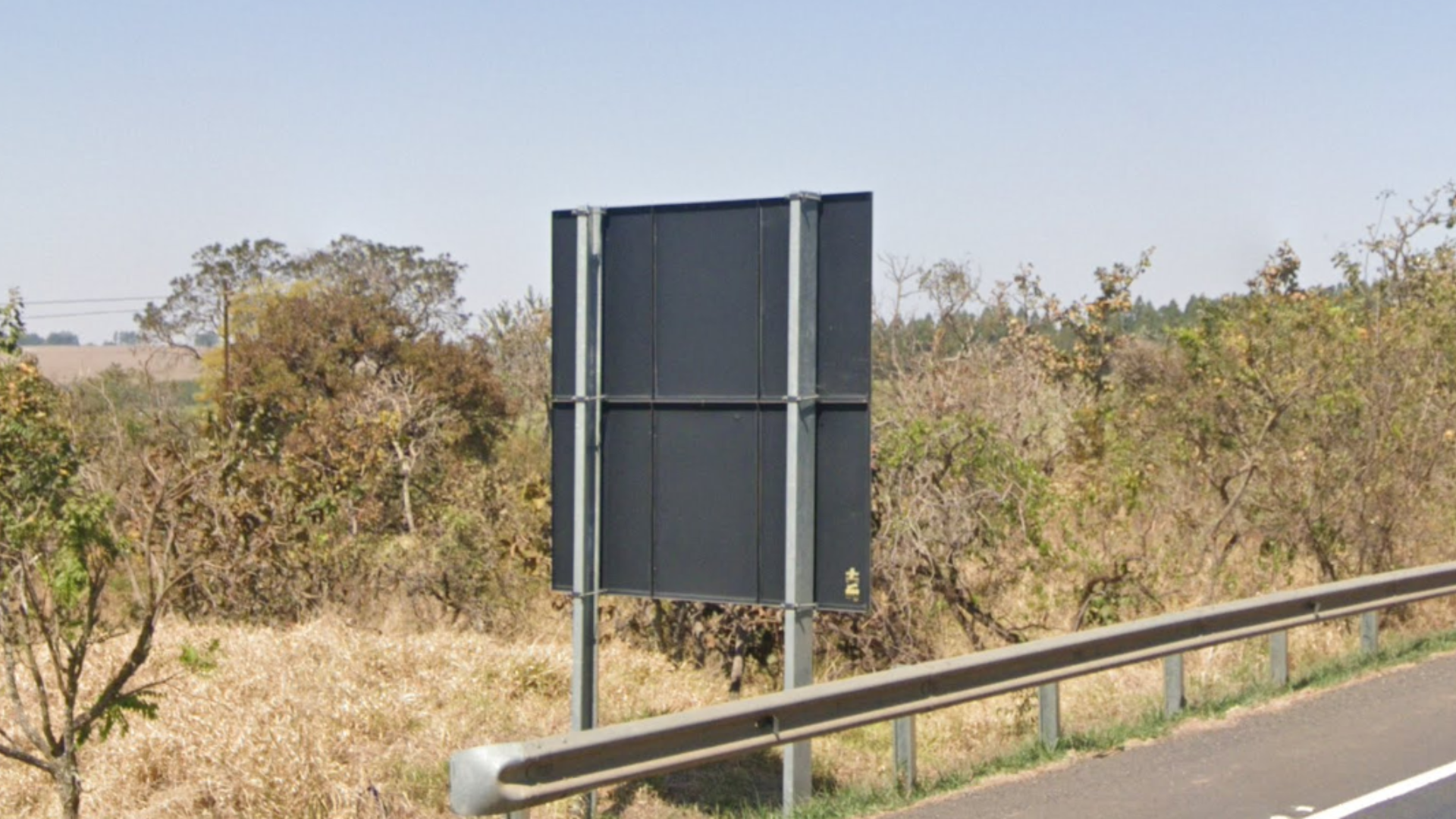
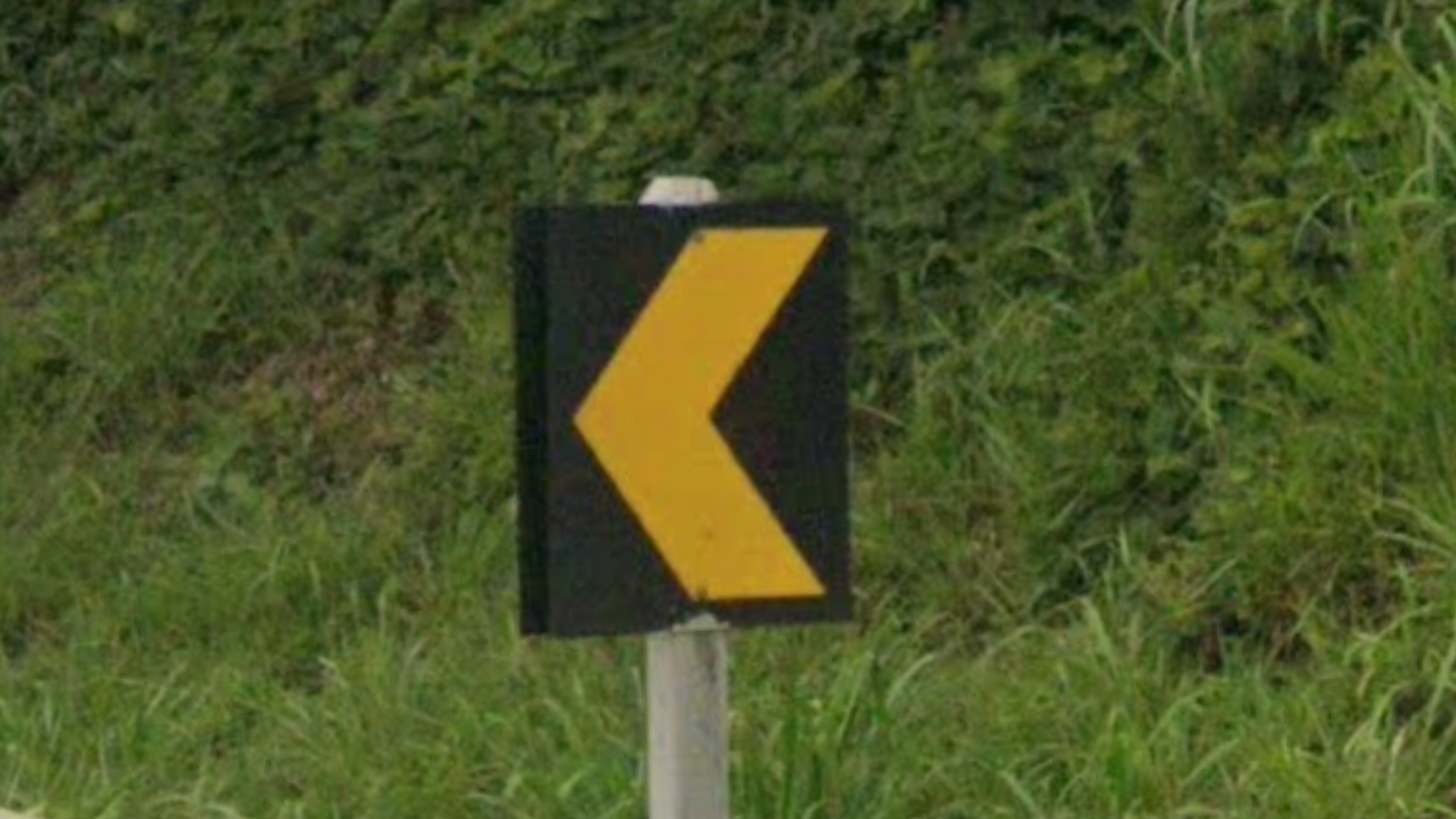
Brazil uses yellow on black chevrons, as opposed to most of South America, which use black on yellow chevrons.
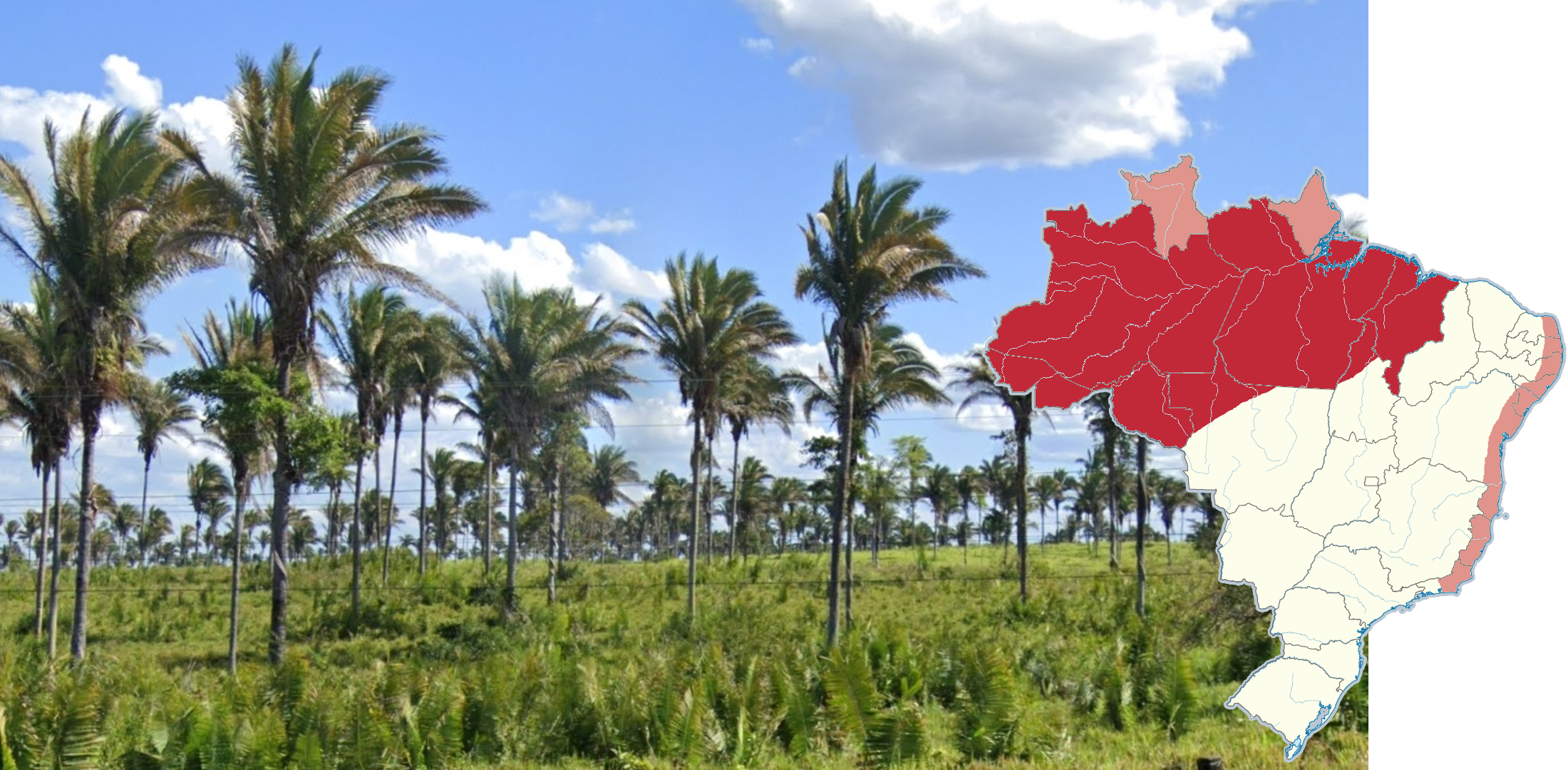
Babassu palms
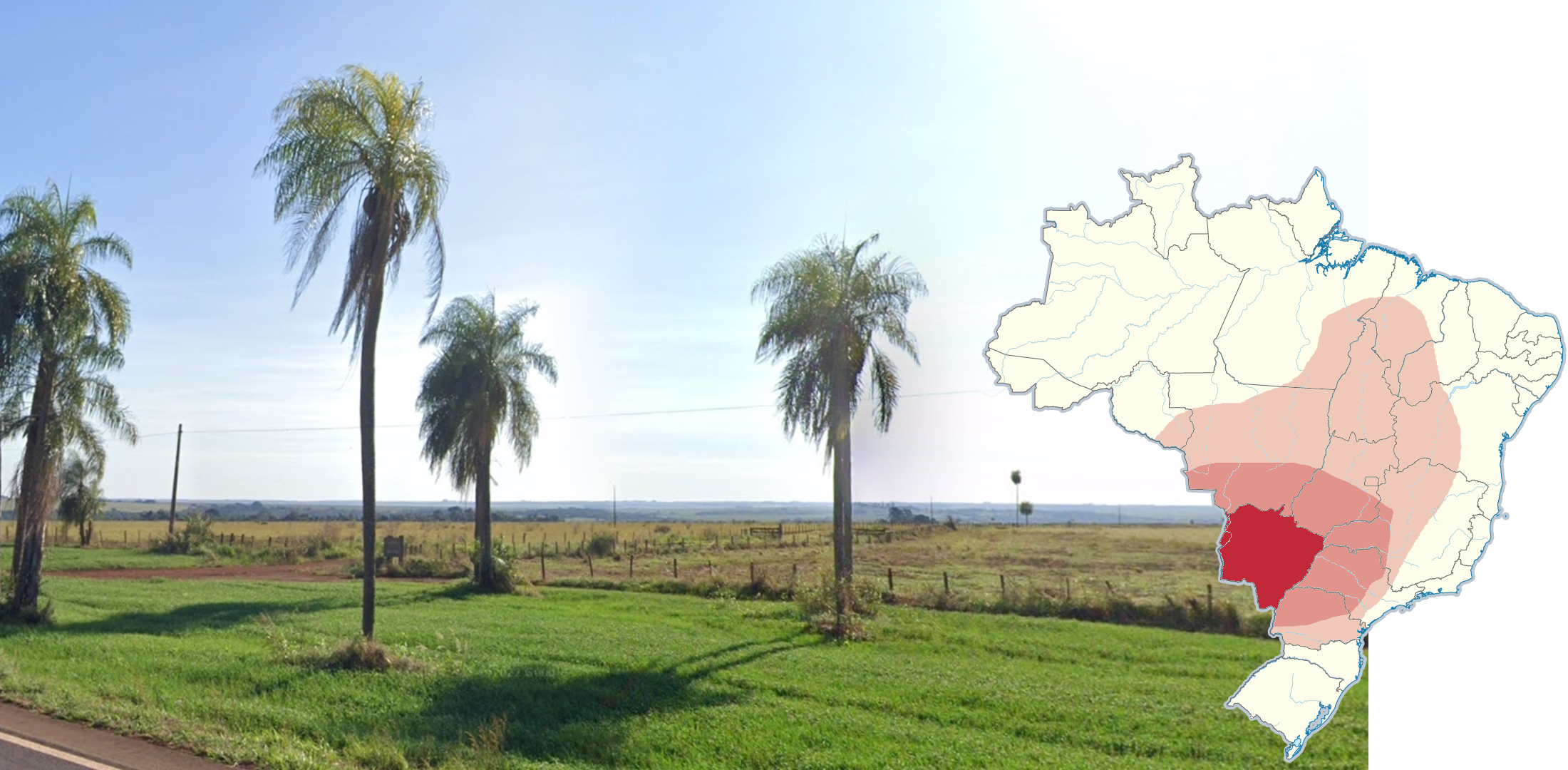
Macaw palms
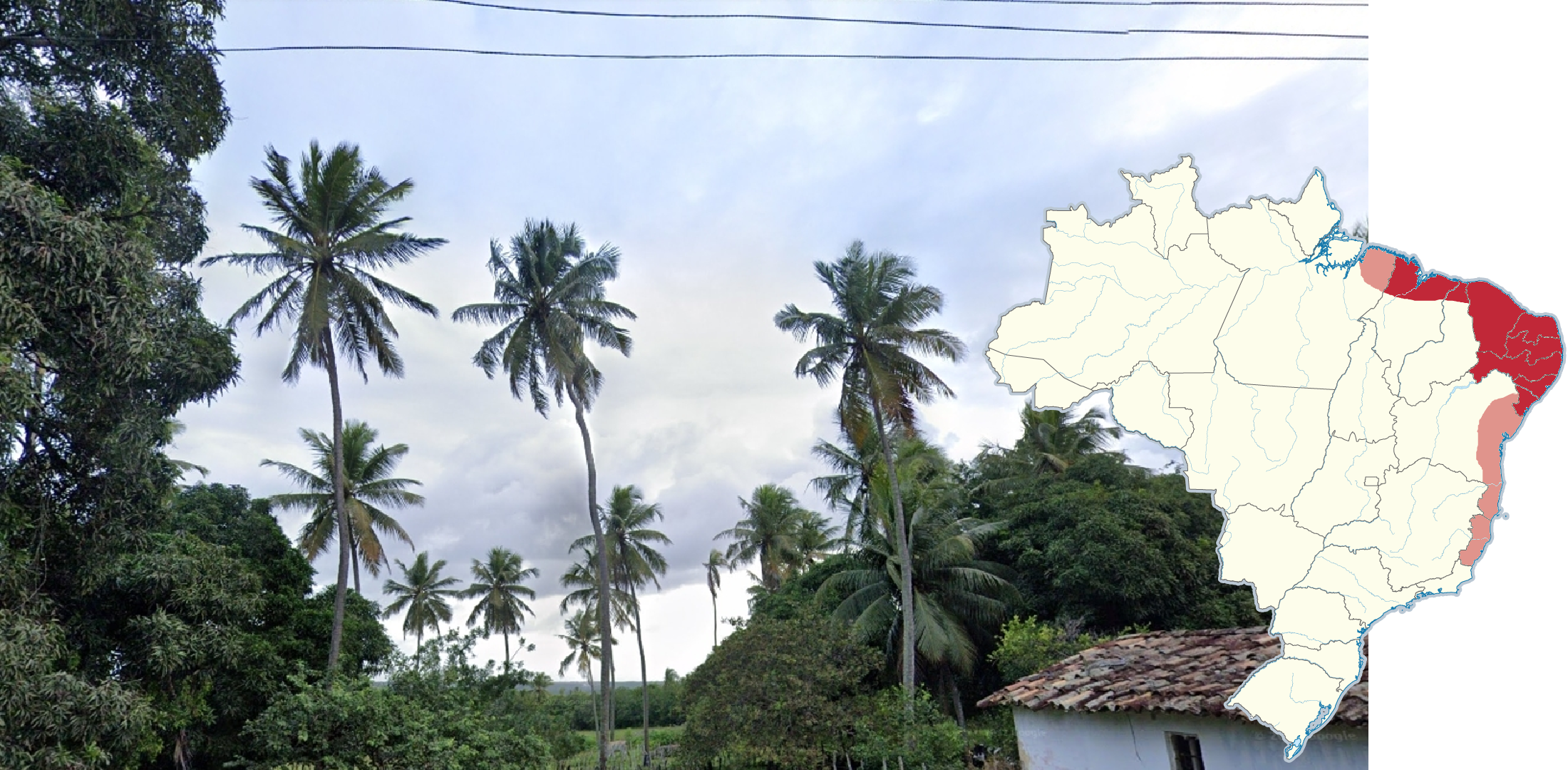
Coconut palm
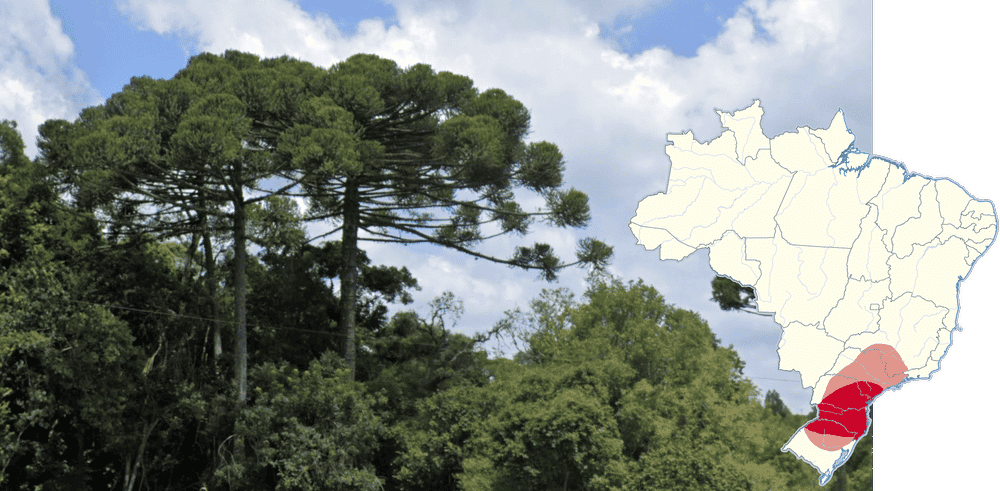
Parana pines
Logs
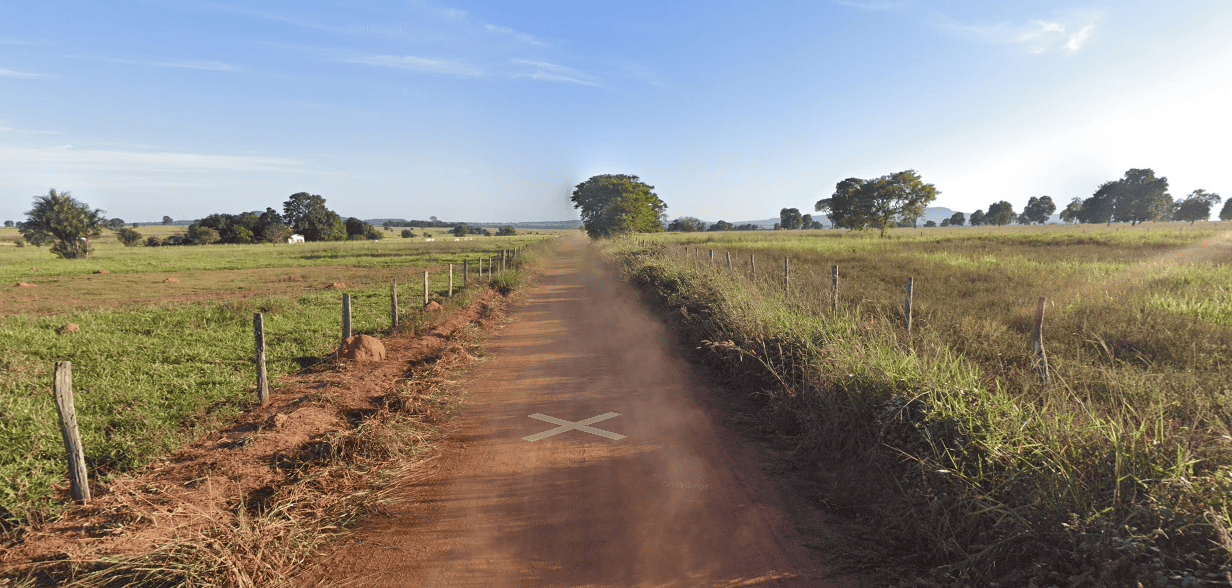
How to tell it's Brazil, not South Africa 2025/06/22
Hint
1. Red Soil + Tropical Grass = Brazilian “Cerrado”
- That dry red road is common in many places, but this kind of reddish clay with tall, wild grass is typical of Brazil’s Cerrado biome, especially in central-west Brazil (like Goiás or Mato Grosso).
- South Africa has dry land too, but it often looks rockier or more shrubby, especially near the Karoo.
2. Palm trees + scattered broad trees
-
There’s a little palm tree in the distance, and those trees have a broad, open crown.
→ That mix is very Brazilian savanna-style 🌴
-
South Africa’s savanna trees tend to look flatter and more umbrella-shaped, like acacias.
3. Fence style
- The simple wooden fence posts with barbed wire, leaning a little, are very rural Brazil.
- South African farms often use thicker or more upright posts, sometimes concrete or iron, and more uniformly spaced.
4. No mountains or road lines
- This area is super flat, which fits inland Brazil, where the terrain rolls softly.
- South Africa often has more visible hills, fewer palm trees, and different lighting — the light in Brazil tends to feel a little warmer and hazier 🌅
🧭 Next time, how to guess?
Ask yourself these questions:
- Is the soil red, but the trees wide and green, not shrubby?
- Do I see any palm-like shapes?
- Is the fencing loose or irregular?
- Does the road feel more tropical heat than dry wind?